In the dazzling world of design, LA stands out like a neon sign in a dark alley. With its blend of creativity and innovation, it’s no wonder that LA design concepts have become the envy of the world. From sleek modernism to bohemian chic, this city knows how to turn ordinary spaces into extraordinary experiences.
Imagine walking into a room that feels like a breath of fresh air, where every color and texture tells a story. That’s the magic of LA design. It’s not just about aesthetics; it’s about creating an atmosphere that resonates with the soul. So buckle up as we dive into the vibrant realm of LA design concepts, where inspiration flows like the Pacific breeze and creativity knows no bounds. Get ready to discover how these concepts can transform any space into a masterpiece.
Overview of LA Design Concepts
LA design concepts showcase a dynamic interplay of styles, merging contemporary aesthetics with cultural influences. Modernism stands out prominently, characterized by clean lines, functional forms, and an emphasis on open spaces. Eclectic designs emerge, blending various elements for a unique visual language that reflects Los Angeles’s diversity.
Bohemian chic adds warmth and personality, featuring vibrant colors, layered textures, and vintage furnishings. Minimalism provides a stark contrast, focusing on simplicity and a curated selection of decor that emphasizes space and light. Each concept engages emotions, forging connections between individuals and their environments.
Sustainability plays an essential role in LA design, with architects and designers prioritizing eco-friendly materials and practices. Innovative approaches to landscaping incorporate native plants, enhancing the outdoor experience while promoting biodiversity. Adaptive reuse transforms historic structures into contemporary spaces, preserving cultural heritage while providing modern functionalities.
Color palettes vary from neutral tones to bold, saturated hues, each selection carefully considered to evoke specific feelings. Designers often integrate art within spaces, creating immersive environments that celebrate creativity and self-expression. Architectural features like oversized windows invite natural light, fostering a sense of openness and connection to the outdoors.
Transformations in residential and commercial interiors reflect lifestyle changes influenced by technology and wellness trends. Smart home features enhance convenience and security, illustrating the integration of technology in design. Community-oriented design strives to foster social interaction, ensuring shared spaces cater to diverse groups.
LA design concepts invite exploration, offering a wealth of inspiration for anyone interested in transforming their environment beautifully and meaningfully.
Key Elements of LA Design Concepts
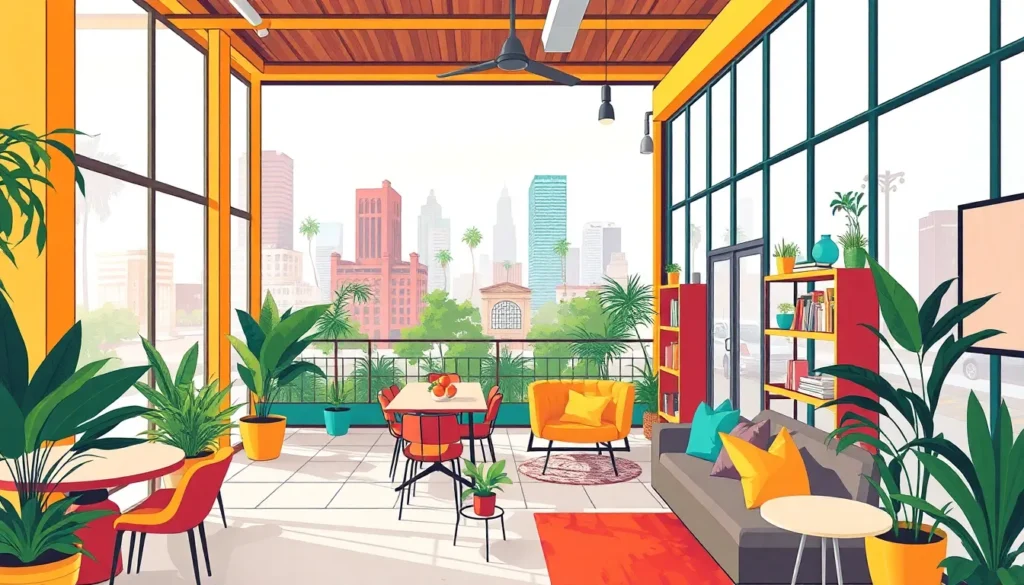
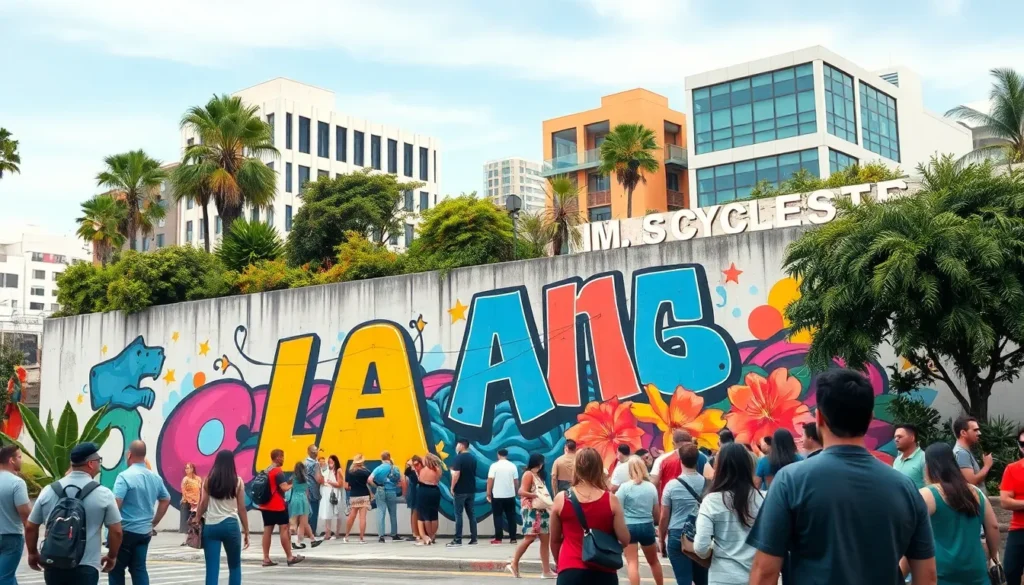
LA design concepts thrive on vibrant expression and innovative aesthetics. These elements blend seamlessly to create intriguing and emotionally resonant spaces.
Color Schemes
Color schemes in LA design often rely on bold palettes. Bright hues reflect the city’s energy, attracting attention and inspiring creativity. Earthy tones complement the urban landscape, establishing warmth and inviting atmospheres. Designers frequently mix colors to align with personal styles, enhancing visual impact. Unique combinations, such as vibrant blues paired with soft neutrals, contribute to balanced environments. Colors not only elevate aesthetics but also evoke specific emotions, reinforcing the connection between a space and its inhabitants.
Material Selection
Material selection plays a critical role in LA design. Designers prioritize sustainable options, incorporating eco-friendly materials like reclaimed wood and recycled metals. This focus on sustainability often supports local artisans, showcasing craftsmanship through unique textures. Concrete, glass, and natural fibers harmonize with the city’s diverse architectural styles. By combining different materials, spaces gain depth and character. The tactile experience enhances the emotional connection individuals feel within a space, making it memorable and impactful.
Influences on LA Design Concepts
LA design concepts draw inspiration from a variety of sources, reflecting the city’s rich cultural tapestry. Diverse communities contribute unique styles, merging influences from Latin American, Asian, and European cultures. Artists and designers engage with these cultural narratives, creating spaces that resonate with their surroundings.
Urban landscapes significantly shape design trends in the city. The functionality and aesthetics of industrial spaces often inspire modern design approaches. Vibrancy in street art and public installations infuses color and character into various projects, showcasing the creativity inherent in urban environments.
Weather patterns impact design concepts too, as the sunny climate invites indoor-outdoor living. Spaces often feature large windows and open layouts, encouraging seamless transitions between inside and out. Natural elements such as greenery and light influence material choices, emphasizing eco-friendly options and promoting wellness.
Sustainability emerges as a crucial component in current design practices. Designers prioritize environmentally conscious materials, supporting local artisans, and reducing carbon footprints. Adaptive reuse of buildings exemplifies this trend, retaining historical integrity while meeting modern needs.
Technology also plays a key role in shaping LA’s design landscape. Smart features enhance functionality in residential and commercial spaces, creating user-friendly experiences. Community-centric designs foster social interaction, connecting individuals and encouraging engagement within neighborhoods.
Art remains a central theme, often integrated into architectural elements. Murals, sculptures, and creative installations enhance spaces, adding layers of meaning and emotional depth. As such, LA design continues evolving by embracing diverse influences and prioritizing sustainability, technology, and artistic expression.
Popular LA Design Styles
Los Angeles boasts a rich variety of design styles, each encapsulating the city’s vibrant spirit. Specific styles such as Mid-Century Modern, Contemporary, and Industrial stand out due to their unique characteristics and cultural significance.
Mid-Century Modern
Mid-Century Modern design thrives on simplicity and functionality, reflecting the ideals of the post-World War II era. Clean lines define furniture pieces, while organic forms connect with nature. Designers incorporate large windows that invite natural light, creating an open and airy feel. Notable materials, such as wood and metal, blend seamlessly to amplify warmth and character. This style emphasizes a connection to the outdoors, often including patios or gardens as extensions of living spaces. As a result, Mid-Century Modern remains a timeless choice, celebrated for its aesthetic qualities and historical significance.
Contemporary
Contemporary design showcases a dynamic approach, adapting to current trends while emphasizing minimalism. It features sleek furnishings and open floor plans that promote social connectivity. Designers play with innovative materials, such as glass and concrete, crafting visually striking and functional spaces. Color palettes often consist of neutrals with bold accent colors, offering a fresh and vibrant atmosphere. Lighting plays a key role in enhancing the overall design, with strategic placements highlight architectural features. This style captures the essence of modern living, embracing flexibility and individual expression.
Industrial
Industrial design draws inspiration from urban environments, reflecting the aesthetic of repurposed warehouses and factories. Exposed bricks, concrete floors, and metallic elements create an edgy, raw look that speaks to the city’s architectural roots. Open spaces maximize functionality, allowing creativity to flourish in both residential and commercial settings. Designers often blend vintage pieces with new elements, fostering a unique character within each space. Large windows not only let in natural light but also emphasize the connection to the outdoors. This design style resonates with those who appreciate a bold, authentic approach to interior spaces.